
Unlock the power of vibe marketing — learn how sensory design, mood, and emotional cues influence buyer behavior more effectively than traditional advertising.
In a world saturated with advertisements, where every brand vies for attention with flashy campaigns and persuasive slogans, there’s a quieter, more powerful force at play: the “vibe.” It’s the inexplicable feeling you get when you walk into a beautifully designed store, the sense of calm in a carefully curated café, or the electric energy of a bustling restaurant. This isn’t just about aesthetics; it’s about a meticulously crafted atmosphere that speaks directly to our subconscious, influencing our emotions, perceptions, and ultimately, our purchasing decisions in ways that traditional ads often can’t.
You might not remember the exact advertisement for that boutique clothing store, but you remember how you felt browsing its racks – the soft lighting, the curated scent, the unobtrusive music. This article delves into the fascinating science behind these “vibes,” exploring how mood, sensory design, and emotional signals create an environment so compelling it often sells more effectively than any direct advertisement ever could.
Beyond the Billboard: The Power of Sensory Marketing
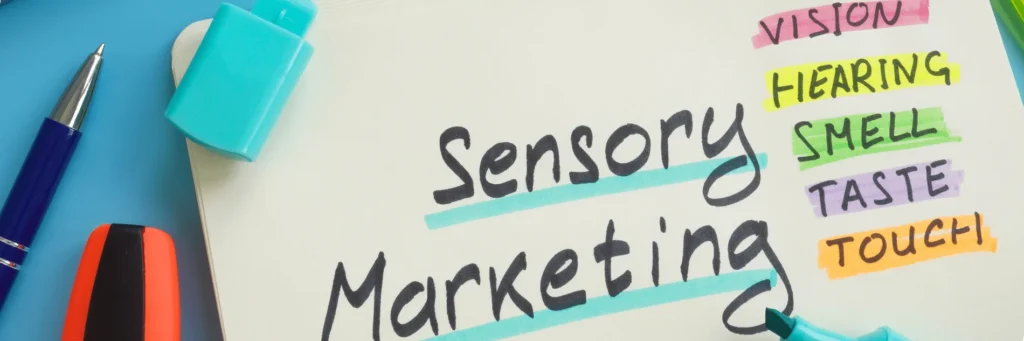
Traditional advertising often operates on a conscious level, aiming to inform, persuade, and create a memorable message. Sensory marketing, on the other hand, dives deeper, targeting our five senses to evoke specific emotions and associations that bypass our rational defenses. It’s about creating an immersive experience that resonates on a primal level.
Think about the last time you bought a cup of coffee. Was it simply the taste that drew you in, or was it the aroma wafting from the café door, the warm lighting, the comfortable seating, and the gentle hum of conversation? These sensory cues work in concert to create a holistic “vibe” that makes you want to stay, to linger, and to return.
The Brain on Vibe: How Our Minds Process Atmosphere
The impact of atmosphere on consumer behavior isn’t just anecdotal; it’s rooted in neuroscience and psychology. Our brains are constantly processing sensory information, and this information profoundly influences our emotional state, cognitive function, and decision-making processes.
Emotional Contagion: We are highly susceptible to the emotions of those around us, and this extends to the emotional “tone” of an environment. A vibrant, energetic space can uplift our mood, making us more open to exploration and purchase. Conversely, a cluttered, chaotic environment can trigger negative emotions, leading us to withdraw.
Implicit Memory and Association: Our brains are wired to form associations. When we repeatedly experience a certain sensory input in conjunction with a particular emotion or product, our brains create strong implicit memories. The scent of fresh-baked cookies might evoke feelings of comfort and nostalgia, leading us to associate those feelings with a bakery or brand. These associations can be incredibly powerful in driving repeat business and brand loyalty.
Cognitive Load and Decision Fatigue: A well-designed atmosphere can reduce cognitive load. In an overwhelming retail environment, consumers can experience decision fatigue, leading to frustration and abandonment of purchase. A serene, organized, and aesthetically pleasing space makes the decision-making process feel easier and more enjoyable.
The Priming Effect: Subtle cues in an environment can prime our brains to think in certain ways. Playing classical music in a wine store might subtly encourage customers to choose more expensive wines, as classical music is associated with sophistication and luxury. These unconscious nudges can be incredibly effective in guiding consumer behavior.
The Five Senses: Architects of Atmosphere
1. Sight: The Visual Symphony
Our eyes are often the first point of contact with an environment, and visual cues play a monumental role in shaping our impressions and experience.
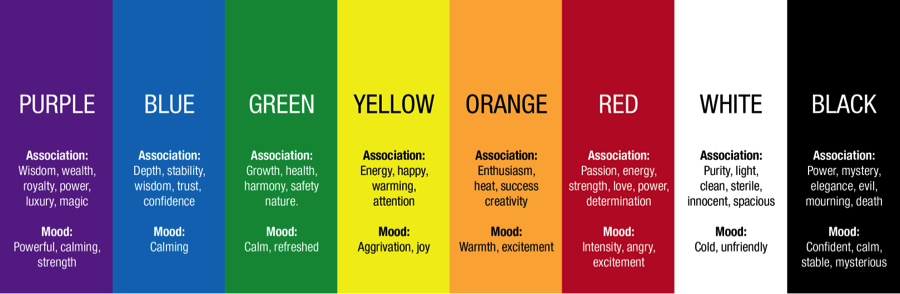
Color Psychology: Colors are potent emotional triggers. Red can stimulate excitement and hunger, often seen in fast-food restaurants. Blue evokes calmness and trustworthiness, favored by banks and tech companies. Green suggests nature, freshness, and health. Understanding these associations allows brands to select color palettes that align with their desired emotional impact.
Lighting: Lighting is more than just illumination; it’s a mood-setter. Bright, cool lighting creates a sense of urgency and efficiency. Warm, dim lighting fosters intimacy, relaxation, and luxury. Strategic lighting can highlight products, guide foot traffic, and even make customers feel more attractive, enhancing their overall experience.
Layout and Design: The physical arrangement of a space dictates flow, interaction, and perception. An open, minimalist layout might convey sophistication and calm, while a densely packed space might evoke abundance or discovery. Furniture, décor, and cleanliness all contribute to the visual narrative. Retailers often use “decompression zones” at entrances to allow customers to adjust and transition into the shopping environment.
Merchandising: The way products are displayed is critical. Thoughtful merchandising tells a story, grouping complementary items, creating appealing vignettes, and making products easily accessible and visually appealing.
2. Sound: The Auditory Landscape

Sound is an incredibly powerful, yet often overlooked, component of atmosphere. It can soothe, energize, distract, or annoy, directly impacting our emotional state and brand perception.
Music: The choice of music is paramount. Upbeat, fast-tempo music can increase shopping pace and create an energetic mood. Slow, calm music encourages lingering and relaxation, common in spas or upscale restaurants. Genre also plays a role: classical music might elevate perceived value, while contemporary pop might appeal to a younger demographic. Volume is critical; music that is too loud can be overwhelming, while music that is too soft can be unnoticeable.
Ambient Noise: Beyond music, the general hum of an environment contributes to its soundscape. The gentle clinking of dishes in a restaurant, the quiet murmur of conversation, or the sound of a water feature can create a specific feeling. Noise levels are crucial; too much noise can be stressful, while too little can feel sterile or awkward.
3. Scent: The Olfactory Journey
Our sense of smell is our most primitive and directly linked to the limbic system, the part of the brain responsible for emotion and memory. This makes scent an incredibly powerful, often subconscious, driver of mood and behavior.
Aromachology: The study of how scents influence human behavior is known as aromachology. Certain scents are universally recognized for their effects: lavender for relaxation, citrus for energy and cleanliness, vanilla for comfort and warmth, peppermint for alertness.
Branded Scents: Many successful brands invest in custom “scent signatures” diffused throughout their spaces. These unique fragrances become intrinsically linked to the brand, creating a powerful memory trigger. Think of the distinctive scent of a luxury hotel lobby. This isn’t just about masking unpleasant odors; it’s about deliberately creating an inviting and memorable olfactory experience.
Natural Scents: The smell of fresh-baked bread in a bakery, freshly brewed coffee, or blooming flowers in a florist shop are incredibly potent attractors, signaling freshness, quality, and often, a homey comfort. These authentic scents can be far more compelling than any manufactured advertisement.
4. Touch: The Tactile Experience
Our sense of touch provides crucial information about texture, temperature, weight, and quality. It can evoke feelings of comfort, luxury, durability, or fragility, significantly impacting our perception of products and spaces.
Product Tactility: For many products, the ability to touch and feel is paramount. The softness of a sweater, the smooth finish of a smartphone, the weight of a well-crafted pen – these tactile sensations convey quality and inform our purchasing decisions. High-end retailers often encourage customers to interact with products, knowing that touch creates a deeper connection.
Environmental Textures: The textures within a physical space also contribute to the overall vibe. Plush carpets convey luxury and comfort, while exposed brick might suggest authenticity and industrial chic. Smooth, cool surfaces can feel modern and clean, while rough, natural materials evoke warmth and earthiness. Even the temperature of a space impacts tactile comfort; a too-cold or too-hot environment can be a significant deterrent.
Comfort and Ergonomics: Seating, counter heights, and even the ergonomics of shopping carts contribute to the physical comfort of a customer. An uncomfortable experience can quickly sour an otherwise positive impression.
5. Taste: The Gustatory Experience
While taste is most directly relevant to food and beverage industries, its principles extend to other sectors through sampling and experiential marketing.
Sampling and Testing: Offering samples of food, beverages, or even perfumes allows customers to directly experience the product, creating an immediate and memorable connection. This direct sensory engagement is far more persuasive than merely reading about a product.
Complementary Offerings: Even in non-food retail, offering a small taste experience – like a complimentary coffee or a glass of water – can enhance the customer experience, making them feel valued and comfortable. This small gesture contributes to a positive overall vibe.
Emotional Signals: The Heart of the Vibe
Beyond the individual sensory elements, it’s the combination and synergy of these cues that create powerful emotional signals. These signals are the true “vibe” that ultimately influences consumer behavior.
Authenticity: In an age of digital overload, consumers crave authenticity. An atmosphere that feels genuine, curated with care, and reflective of a brand’s true values resonates deeply. This can manifest in handcrafted elements, sustainable materials, or a commitment to local artists.
Trust and Reliability: A clean, well-organized, and professionally designed space can subtly communicate trust and reliability. Conversely, a chaotic or poorly maintained environment can erode confidence. Consistency in atmosphere across different brand touchpoints also builds trust.
Belonging and Community: Creating an atmosphere where customers feel a sense of belonging can foster powerful loyalty. This might involve communal tables in a café, interactive displays, or events that bring people together. The “third place” phenomenon – a place outside of home and work where people gather – is a prime example of atmosphere fostering community.
Inspiration and Aspiration: Certain atmospheres are designed to inspire or evoke aspiration. A luxury car showroom, with its gleaming vehicles, expansive space, and hushed tones, isn’t just selling cars; it’s selling a lifestyle, a dream. The atmosphere helps customers visualize themselves within that desired reality.
Comfort and Well-being: In an increasingly stressful world, spaces that prioritize comfort and well-being are highly valued. This includes elements like ergonomic seating, natural light, calming colors, and soothing sounds. The rise of wellness-focused brands heavily leverages this aspect of atmosphere.
The Future of Atmosphere: Blending Physical and Digital
As the retail landscape continues to evolve, the importance of atmosphere is only growing. Even online, brands are trying to replicate aspects of a compelling “vibe” through thoughtful web design, immersive virtual experiences, and personalized digital interactions. However, the unique power of the physical environment, with its ability to engage all five senses simultaneously, remains unmatched.
The future will likely see a blend of these approaches, where physical spaces offer highly experiential and memorable atmospheres, while digital platforms extend and complement that experience. Pop-up shops, brand activations, and experiential marketing events are all manifestations of brands recognizing that creating a powerful “vibe” is no longer a luxury, but a necessity.
Conclusion: The Unspoken Language of Success
In a world increasingly desensitized to direct advertising, the science of vibes offers a powerful alternative. By meticulously crafting mood, sensory design, and emotional signals, brands can create environments that speak directly to our subconscious, bypassing our rational defenses and forging deep, lasting connections. It’s an unspoken language of comfort, aspiration, trust, and belonging that resonates far more powerfully than any slogan or jingle. The most successful brands understand that they’re not just selling products – they’re selling experiences, feelings, and memories. And in that invisible currency of emotion and sensation, atmosphere is king.